Changes Nobody Assessed
A software patch, a new gasket material, a revised cleaning agent — each went live without asking whether requalification was needed. Cumulatively, the qualified system is gone.
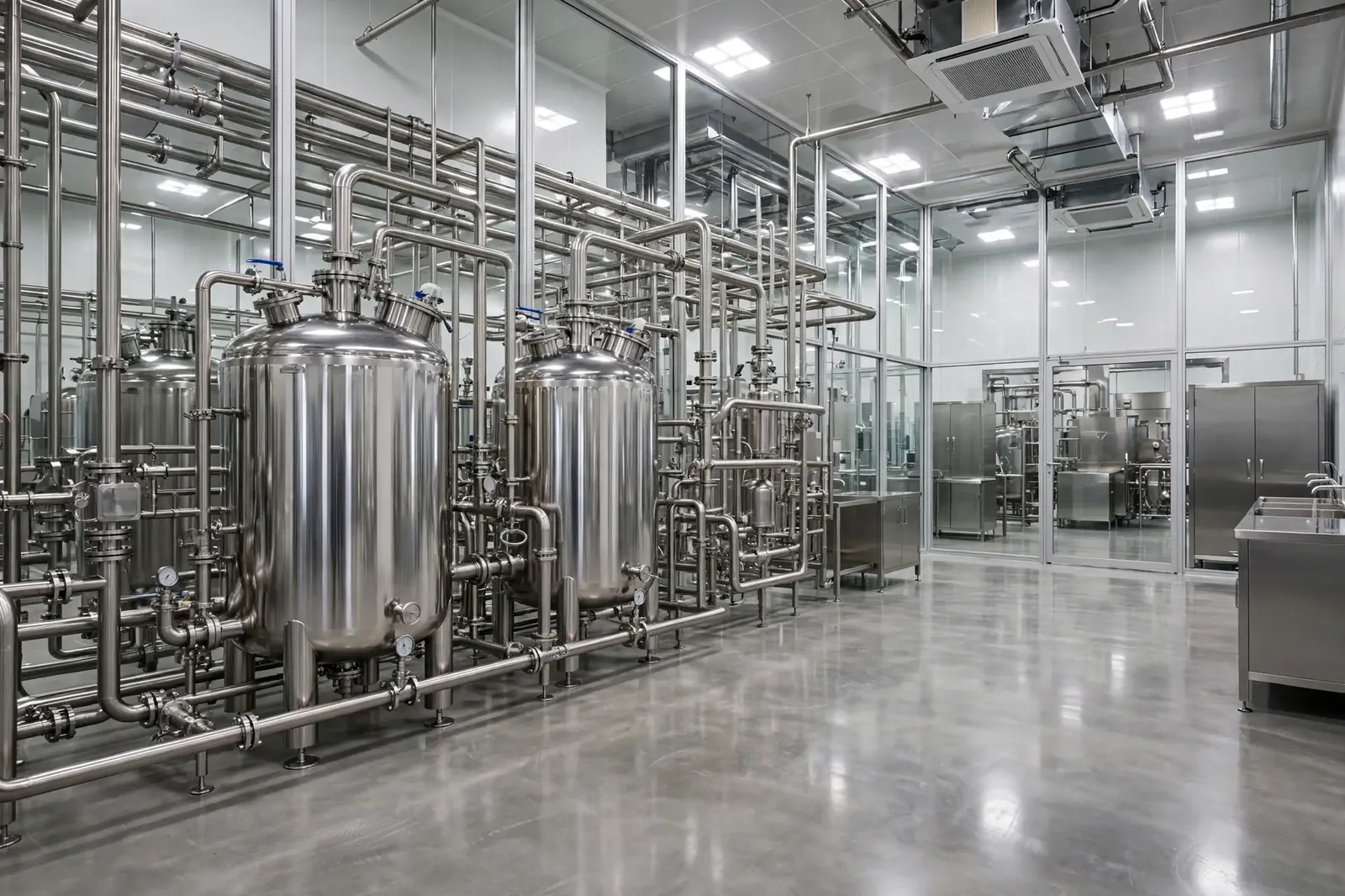
Equipment drifts. Software gets patched. Procedures change, people turn over, and suppliers reformulate. The validated state you documented last year describes a facility that no longer exists — unless something actively maintains it. We design periodic review programs and change-linked requalification that keep your qualification and validation evidence current, so an inspector never finds a gap between the paper and the plant.
Every change — planned or not — erodes it. Periodic review is how you prove the erosion never crossed the line.
None of these announce themselves. All of them show up in inspections.
A software patch, a new gasket material, a revised cleaning agent — each went live without asking whether requalification was needed. Cumulatively, the qualified system is gone.
The SOP requires annual review. Three years later, nobody has done one. The procedure exists; the practice doesn't.
Teams requalify everything on a fixed cycle — wasting effort on stable systems while high-change systems go unexamined. Effort follows the calendar instead of the risk.
The IQ/OQ package is pristine and five years old. The equipment has been modified twice since. An inspector compares the two in about ninety seconds.
We build the program, run the first cycle with your team, and hand over routines your people can sustain.
We inventory qualified equipment, utilities, and systems, and record the current validated state — what was qualified, when, and under what configuration.
Critical systems get frequent, deep review; stable low-risk systems get a lighter touch. Frequencies are justified by risk assessment, not by copying someone else's SOP.
We define which change categories trigger requalification, what level of re-testing each requires, and who decides — so the link between change and validation is procedural, not personal.
We execute the first periodic review alongside your team, close the gaps it finds, and leave behind the templates, checklists, and schedule your team runs going forward.
Cannabis is our home base — the method was built there first. The same evidence discipline serves each industry below, mapped to its own regulations.
Preventive controls, supplier verification, environmental monitoring, and traceability under 21 CFR Part 117 and FSMA.
Component qualification, master manufacturing records, and laboratory controls under 21 CFR Part 111.
Safety substantiation, GMP records, and adverse-event readiness under MoCRA.
Preventive controls for animal food, supplier programs, and sanitation under 21 CFR Part 507.
It depends on risk: critical or high-change systems annually; stable utilities less often. We set frequencies by risk assessment, not by habit.
Only if every change record actually assesses validation impact — most don't. We audit your change records against the validated state and fix the linkage where it's broken.
Rarely. Most reviews are targeted verification: calibration status, change history, deviation trends, and focused re-testing where risk justifies it. Full requalification is reserved for significant change.
We run the first cycle and train your team to sustain it. If you need ongoing support — annual review execution, for example — we structure that as a defined engagement, not an open-ended retainer.
Same principle, different checks: user access reviews, audit-trail review routines, patch and upgrade assessments, backup verification. Our CSV practice covers the system side.
Start with a confidential conversation about your qualified equipment and systems — what's current, what's drifted, and what a review program would look like.