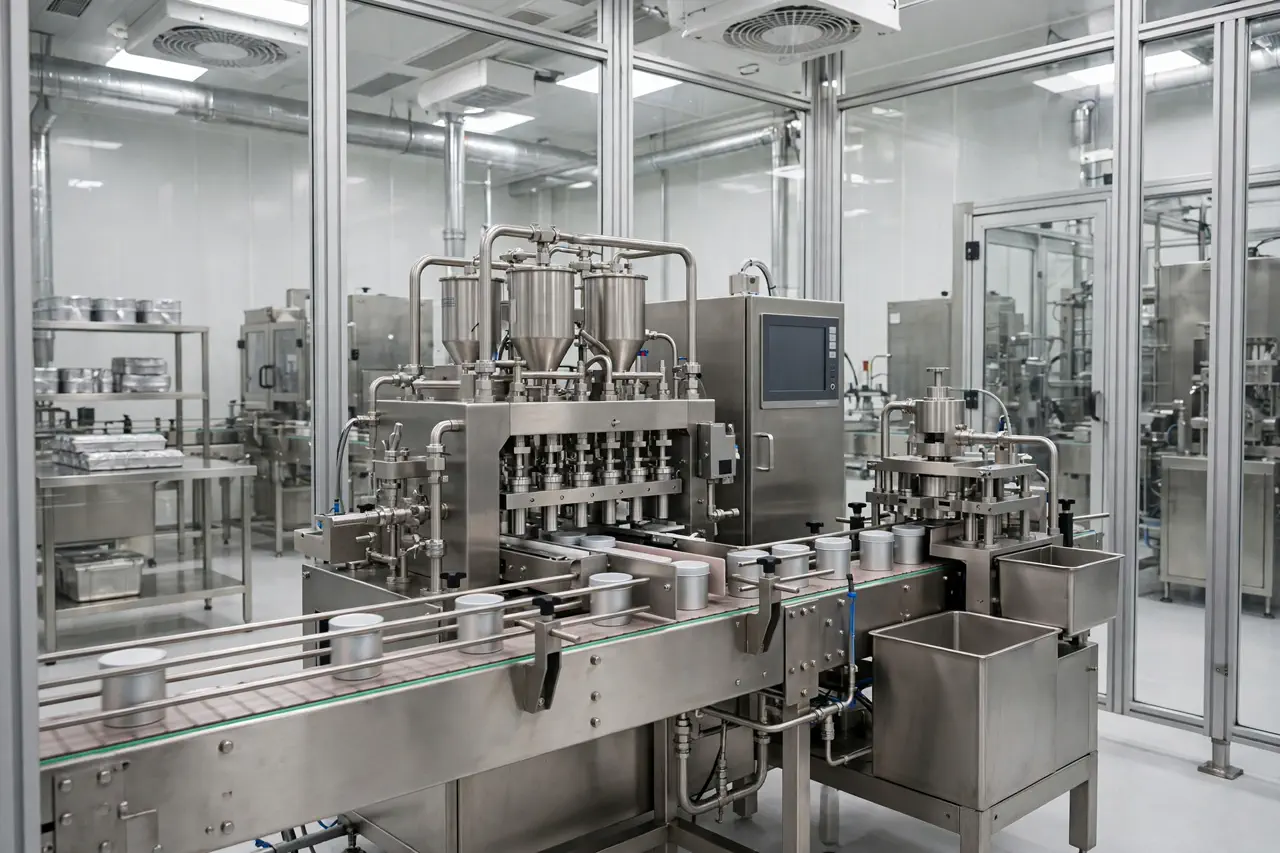
Pet food manufacturing and packaging facility
Home / Pet Food
Industry program · Pet food

FSMA compliance for pet food manufacturers.

Pet food lives under 21 CFR Part 507 — its own preventive-controls rule with supply-chain, sanitation, and CGMP requirements. Recalls here destroy brands overnight. We build the evidence file before a recall or an inspection does it for you.

WHY NOW

One recall ends brands.

Pet owners don't forgive. Contamination events in pet food trigger some of the fastest, most total brand collapses in the industry — and the preventive-controls rule exists precisely because of them.

21 CFR 507Preventive controls for animal food: CGMP, hazard analysis, preventive controls, and a mandatory supply-chain program.
ZeroThe number of undeclared hazards your supply-chain file should contain. Supplier verification is where pet food inspections start.
1 brandHow many it takes to learn the lesson. Recalls in pet food don't dent brands — they end them.
WHERE IT BREAKS

The four failures behind pet food enforcement.

01

Supply-Chain Files on Trust

Rendered proteins and novel ingredients carry real pathogen risk — but supplier approval is a handshake and verification activities don't exist. Under Part 507, the supply-chain program is not paperwork; it is the control.

02

Human-Food Assumptions

Facilities making both assume the human-food system covers pet food. It doesn't — Part 507 has its own CGMP and preventive-control requirements, and investigators check for them specifically.

03

Sanitation Without Verification

Dry environments breed complacency. Environmental monitoring is thin, equipment harborage points are unmapped, and Salmonella finds the gaps that monitoring was designed to miss.

04

Complaints Without Investigation

Palatability complaints and illness reports filed away without evaluation. In pet food, the complaint file is often where the next recall is already written.

WHAT WE DO

Our method, mapped to 21 CFR Part 507.

The same evidence discipline we built in cannabis — adapted to animal-food preventive controls and the realities of rendering, extrusion, and co-packing. And when the assessment finds gaps, we don't just hand you a report — we execute the full validation work (IQ/OQ/PQ, process validation) to close them.

GMP Readiness Assessment

Our flagship four-week engagement, baselined against Part 507: CGMP, hazard analysis, preventive controls, supply-chain program, sanitation, and recall readiness.

You receive a prioritized gap register ranked by risk — and a remediation roadmap sequenced for your next inspection.

CQV for Pet Food Plants

Commissioning and qualification for extrusion, drying, coating, and packaging lines — IQ/OQ/PQ that reflects actual operating ranges, plus utilities and bulk-handling systems.

CSV for Batch & Quality Systems

Risk-based validation for batch, inventory, and complaint-tracking systems — requirements, testing, audit trails, and data integrity for the records FDA reads first.

Quality Systems & Remediation

Supplier qualification and verification programs, environmental monitoring design, complaint investigation procedures, mock-recall protocols — and structured post-recall remediation when it matters most.

THE RULES THAT CREATE THE BURDEN

What you're actually being judged against.

21 CFR Part 507

Current good manufacturing practice, hazard analysis, and risk-based preventive controls for animal food — the complete rule for pet food facilities.

Supply-Chain Program

Supplier approval plus ongoing verification — audits, sampling, record review — scaled to the hazards each supplier controls. The first place investigators look.

CGMP for Animal Food

Personnel, plant and grounds, sanitation, equipment, and operations — the Subpart B foundation everything else stands on.

Recall Readiness

Written recall procedures, lot traceability, and distribution records. When a contamination event hits, hours matter — and the plan has to work the first time.

QUESTIONS

Pet food, answered.

We already make human food. Is pet food really that different?

The framework rhymes but the rule is its own: 21 CFR Part 507 — preventive controls for animal food — with its own CGMP, hazard-analysis, and supply-chain requirements. Human-food experience transfers, but assuming it is identical is how companies miss the animal-food-specific obligations.

What is the supply-chain program under Part 507?

Facilities must approve suppliers and conduct verification activities — audits, sampling, record review — based on the hazards the supplier controls. For pet food, where ingredients like rendered proteins carry real pathogen risk, the supply-chain file is one of the first things FDA examines.

Do small pet food makers and co-packers need full preventive controls?

Most commercial pet food facilities are covered by Part 507's preventive-controls requirements, with limited qualified-facility exemptions for very small businesses — and even exempt facilities must follow modified requirements. The assessment determines exactly where you stand.

Can you help after a recall?

Yes. Post-recall remediation is time-sensitive: we trace the root cause, rebuild the preventive-controls and supply-chain evidence around it, and sequence corrective actions so the follow-up inspection finds a closed system, not a repeat.

We private-label for multiple brands. How do you scope that?

By process family and line, the same way we scope human-food co-packers: shared equipment, changeover controls, and label-verification systems are assessed once per line, with customer-specific requirements mapped as additional risk layers.

FREE DOWNLOAD

Find your gaps before an auditor does.

Our free 25-point Pet Food GMP Checklist — the same questions auditors ask, as a yes/no self-check. Every unchecked box is a finding waiting to happen.

Get the Free Checklist

Don't let the first gap be found under pressure.

Start with a free readiness call — pet food focused. We'll walk through your top 3 GMP risks and give you an honest fit assessment. Confidential, no pressure.