Preventive Controls on Paper Only
Food safety plans that don't match floor practice. Monitoring records with gaps. Corrective actions taken but never documented — so legally, they never happened.
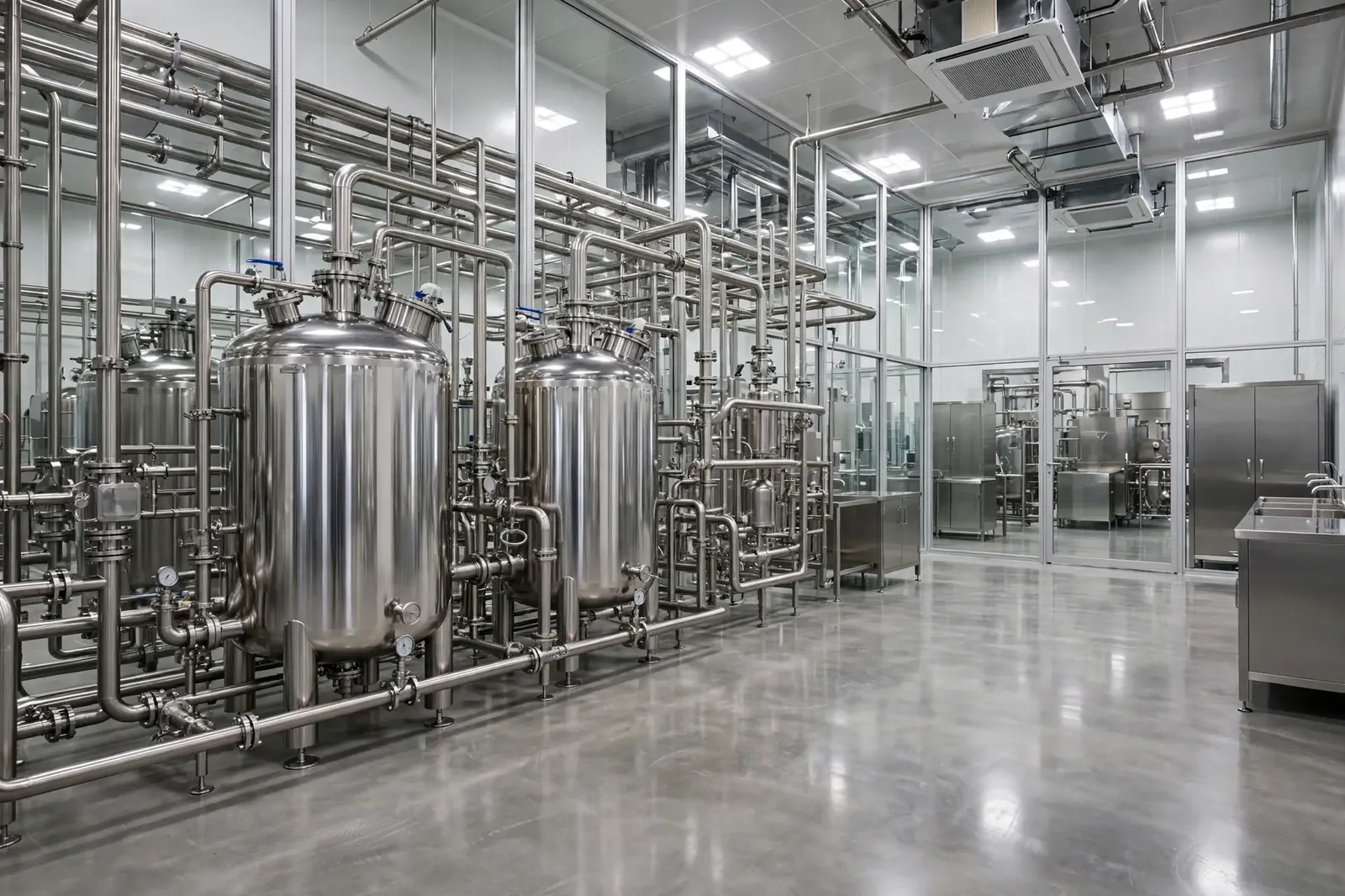
571 food & drink recall events were recorded in 2025 — a nine-year high (Sedgwick 2026 State of the Nation Recall Index, based on FDA data). Most trace back to the same failures: weak preventive controls, unqualified suppliers, and sanitation programs with no evidence behind them. We find those gaps before an inspector — or a recall — does.
Recalls are at a nine-year high, traceability rules are enforceable, and co-packers inherit every supplier's risk. The documentation burden keeps growing — the evidence has to grow with it.
Same pattern, different facility. If any of these sound familiar, the gap is already priced into your risk.
Food safety plans that don't match floor practice. Monitoring records with gaps. Corrective actions taken but never documented — so legally, they never happened.
Co-packers inherit every supplier's risk. Approval files are thin, verification activities are missing, and nobody can show why a supplier was trusted.
Environmental monitoring designed to pass, not to find. Harborage sites unmapped. A Listeria program that has never found Listeria is not a good sign — it's a blind spot.
Traceability that takes days instead of hours. Mock recalls never performed. Lot genealogy that falls apart the moment a customer asks for it under pressure.
The same evidence discipline we built in cannabis — adapted to Part 117, FSMA, and the realities of shared lines and customer SKUs. And when the assessment finds gaps, we don't just hand you a report — we execute the full validation work (IQ/OQ/PQ, process validation) to close them.
Our flagship four-week engagement, baselined against 21 CFR Part 117: food safety plan execution, supplier verification, sanitation and environmental monitoring, traceability, and allergen controls.
You receive a prioritized gap register ranked by risk — and a remediation roadmap sequenced for your next inspection, audit, or customer qualification.
Commissioning and qualification for processing lines, CIP systems, retorts, ovens, and cold-chain equipment — IQ/OQ/PQ that reflects how the line actually runs, including changeover and allergen-clean validation.
Risk-based validation for ERP, MES, and traceability platforms, laboratory systems, and temperature-monitoring networks — requirements, testing, audit trails, alarms, and data integrity.
Supplier qualification files that hold up, environmental monitoring program design, mock-recall protocols, SOP development — and structured 483 and warning-letter response when enforcement has already arrived.
Inspectors don't grade intentions. They grade records against these requirements.
Current good manufacturing practice, hazard analysis, and risk-based preventive controls for human food — the foundation of most FDA food inspections.
Traceability recordkeeping for high-risk foods. If you can't trace a lot forward and back within hours, the rule is already a finding.
FALCPA plus the FASTER Act's sesame requirement: undeclared allergens remain a top recall driver. Label verification and changeover evidence are non-negotiable.
Foreign Supplier Verification and domestic supplier programs: approval, verification activities, and corrective action — documented, not assumed.
Yes. We scope by process family and line, not by SKU count. Shared equipment, changeover controls, allergen management, and label-verification systems are assessed once per line — then we map where customer-specific requirements create additional risk.
We test whether the plan survives contact with the floor. Most gaps we find are not missing plans but broken execution: monitoring records with gaps, corrective actions never documented, verification activities skipped. We produce the evidence your plan claims exists.
Yes. We trace each observation to its root cause, build the evidence your response commits to, and sequence corrective actions so the follow-up inspection finds closures instead of repeats.
Certification audits check that a system exists. We build the underlying evidence — qualification records, validated monitoring, traceability that actually traces. Manufacturers often run an assessment like this first, then walk into their certification audit with documentation that holds up.
Both. Small and mid-size manufacturers and co-packers are our sweet spot — they face the same Part 117 obligations as large plants but rarely have a full validation bench in-house.
Our free 25-point Food & Beverage GMP Checklist — the same questions auditors ask, as a yes/no self-check. Every unchecked box is a finding waiting to happen.
Start with a free readiness call — food & beverage focused. We'll walk through your top 3 GMP risks and give you an honest fit assessment. Confidential, no pressure.