Requirements Written After Purchase
Equipment was bought, installed, and then someone wrote the URS to match what arrived. Qualification becomes a paperwork exercise defending a decision instead of verifying a design.
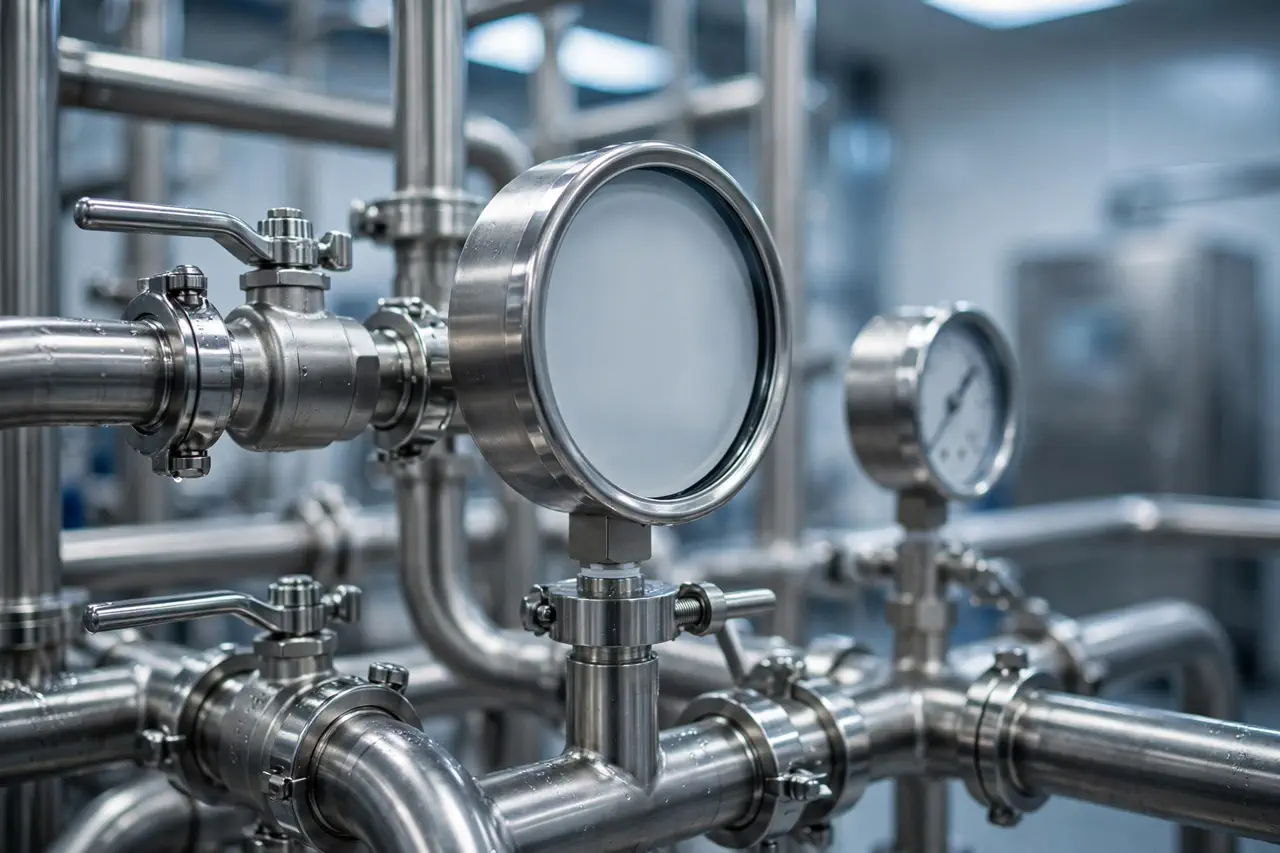
New line, new facility, new utility system — before it makes product, it has to be proven: designed right, installed right, operating across its range, performing consistently. We run the CQV lifecycle end to end, from user requirements through requalification, so your qualification package reads like the facility actually runs.
Most of the expensive rework we see traces back to decisions made before a single protocol was written.
Expensive, disruptive, and almost always preventable with earlier structure.
Equipment was bought, installed, and then someone wrote the URS to match what arrived. Qualification becomes a paperwork exercise defending a decision instead of verifying a design.
IQ/OQ/PQ documents describe an idealized system. Operators run the real one. The gap between the two is where inspectors live.
HVAC, compressed air, purified water, steam — the systems every process depends on — were commissioned and forgotten. No qualification, no ongoing verification.
The initial qualification was years ago. Since then: changes, repairs, drift. Nobody requalified, because nobody owned the schedule.
We manage the full lifecycle — not just the protocol execution in the middle, but the requirements at the start and the continued verification at the end.
The strategy document that scopes the program: systems, risk levels, deliverables, responsibilities, and acceptance criteria — agreed before work starts.
User requirements in testable language, design reviews against those requirements, and risk assessments that focus effort where failure hurts most.
Protocol development, execution support, and discrepancy management — installation verified, operational ranges challenged, performance proven under real conditions.
Requalification schedules, change-control impact assessment, and periodic review — so the qualified state survives staff turnover and time.
Cannabis is our home base — the method was built there first. The same evidence discipline serves each industry below, mapped to its own regulations.
Preventive controls, supplier verification, environmental monitoring, and traceability under 21 CFR Part 117 and FSMA.
Component qualification, master manufacturing records, and laboratory controls under 21 CFR Part 111.
Safety substantiation, GMP records, and adverse-event readiness under MoCRA.
Preventive controls for animal food, supplier programs, and sanitation under 21 CFR Part 507.
Commissioning proves the system is built and works; qualification proves it consistently does what the process needs, documented to GMP expectations. Commissioning is good engineering practice — qualification is the regulated evidence layer on top of it.
Yes. We assess what's complete, what's defensible, and what's missing — then fill the gaps without redoing work that already holds up. Rescuing stalled qualification programs is a common engagement.
Both. We write IQ/OQ/PQ protocols in your format or ours, support execution on the floor, manage discrepancies, and assemble the final qualification package.
Through retrospective qualification: we assess available documentation and history, run targeted testing to fill the evidence gaps, and document a justified qualified state — without pretending records exist that don't.
Yes. CQV is floor work. Protocol execution, walkthroughs, and testing support happen on-site; planning, document development, and review can run remotely.
Start with a free call about your facility, utilities, or equipment — what's qualified, what isn't, and what comes next. We'll name your top 3 GMP risks and give you an honest fit assessment. No pressure, no pitch.